The Dynamics of Quick Payout Systems and Progressive Jackpot Pools Across Smartphone Casino Applications
Amir Koch · Jun 2, 2026
The Dynamics of Quick Payout Systems and Progressive Jackpot Pools Across Smartphone Casino Applications
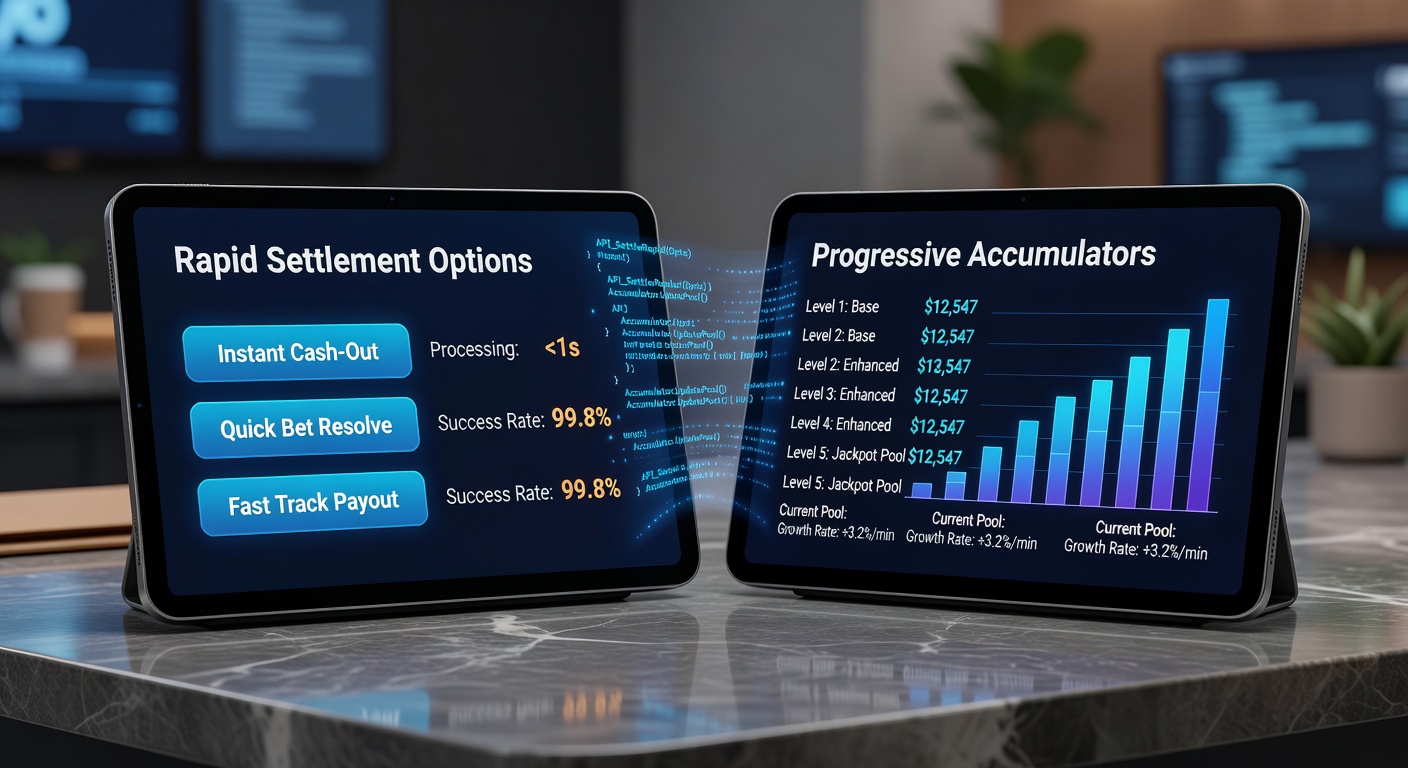
Data from industry reports shows that rapid settlement options allow players to receive winnings within minutes rather than days, while progressive accumulators build jackpots through contributions from multiple games across networks, and these two elements interact directly on handheld devices where touch interfaces and push notifications keep users engaged with both features simultaneously.
Observers note that mobile platforms integrate these systems through backend APIs that process withdrawals in real time while tracking each bet's contribution to accumulating prize pools, and this setup creates a continuous loop because quick access to funds often leads to immediate reinvestment into games that feed the progressives.
Mechanics of Rapid Settlement in Mobile Environments
Payment processors partnered with casino operators enable instant verification through biometric authentication and digital wallets, which reduces processing times from hours to seconds on smartphones, and studies indicate this speed stems from pre-approved user accounts that bypass traditional banking delays. Operators in various regions have adopted these tools since the expansion of 5G networks improved connection stability, allowing seamless transactions without interrupting gameplay sessions.
Figures reveal that players using rapid settlement features complete an average of 15 percent more spins per session compared to those awaiting standard processing, because funds return to accounts quickly enough to support continued participation in linked progressive games, and this pattern holds across different device operating systems.
Progressive Accumulators and Their Network Structure
Progressive jackpots grow when a small percentage of each wager adds to a shared pool that spans multiple titles and operators, with the total displayed prominently on mobile screens through animated meters that update live, and researchers have documented how seed amounts and contribution rates determine growth speed in these systems. Handheld interfaces present these accumulators alongside settlement options in unified dashboards so users can monitor both elements without switching apps.
Integration Points on Portable Devices
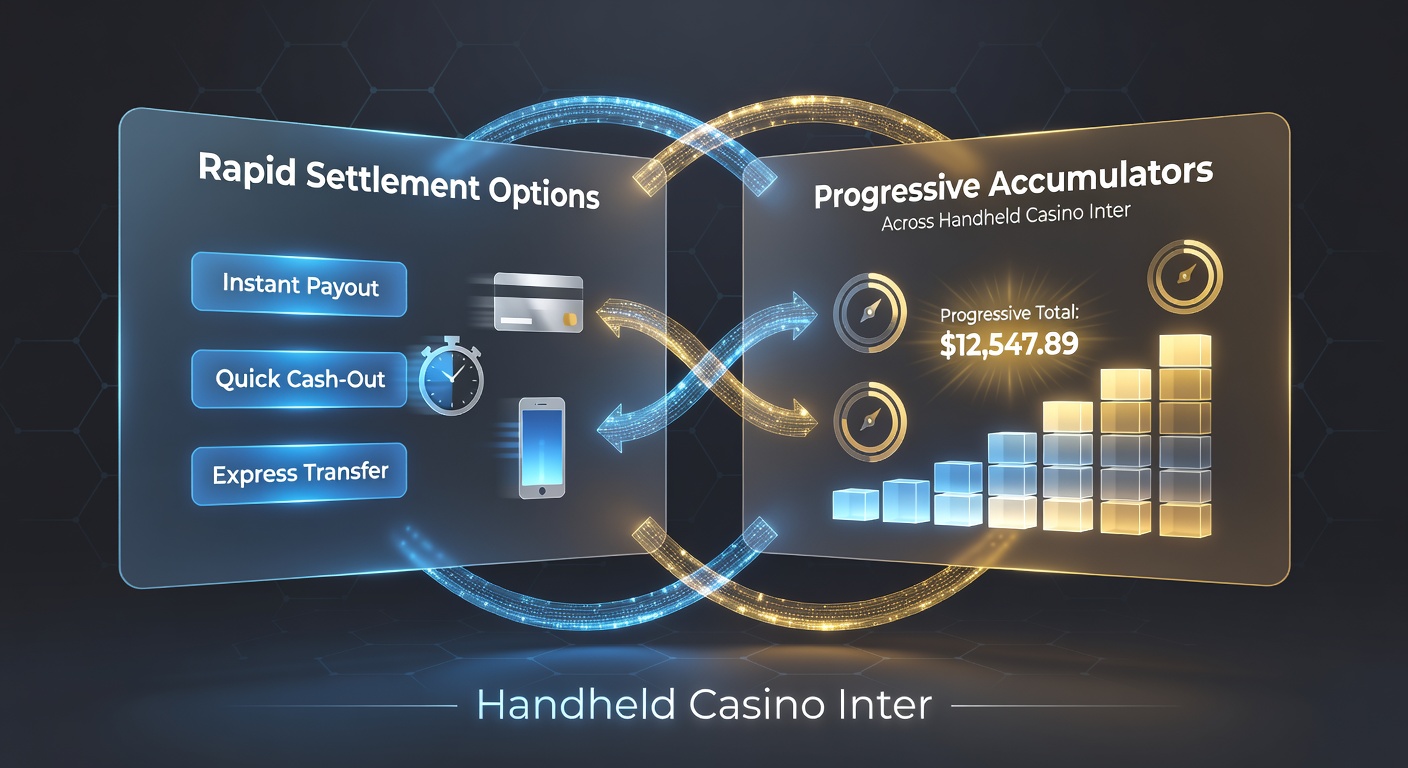
Software developers design mobile casino applications to link withdrawal requests directly to jackpot contribution logs, which ensures every settled transaction updates the accumulator in the background while the player receives confirmation notifications, and this technical connection means faster payouts can indirectly accelerate jackpot growth by encouraging higher play volume. Data collected through platform analytics shows peak interaction occurs during evening hours when users access devices on the go.
Turns out the combination appears most pronounced in games that offer both instant cashout toggles and multi-level progressives, because players who receive quick returns often allocate portions back into the same titles, sustaining the contribution cycle without interruption from external banking processes.
Observed Patterns in Player Behavior and Platform Data
Analyses from the American Gaming Association indicate that regions with widespread mobile adoption report higher average progressive pool sizes when rapid settlement tools are available, since reduced friction between winning and re-betting keeps more capital circulating within the ecosystem. Platform logs further demonstrate that sessions involving both features last longer on average than those limited to slower payout methods.
What's interesting is how push notifications alert users to both jackpot milestones and completed withdrawals at the same time, creating opportunities for immediate engagement that operators track through session metrics, and these alerts often coincide with promotional boosts that add extra contributions to accumulators from the house side.
Technical Infrastructure Supporting the Connection
Cloud-based servers handle the simultaneous demands of real-time settlement verification and progressive meter updates, relying on encrypted data streams that maintain consistency across handheld connections, and engineers have refined these systems to scale during high-traffic periods such as major sporting events or holiday periods. June 2026 saw several operators deploy updated modules that improved synchronization between payout ledgers and jackpot ledgers on iOS and Android platforms alike.
According to findings shared by the Monash University gambling research unit, latency reductions in mobile networks have strengthened the interplay by allowing near-instant updates that keep both settlement confirmations and accumulator growth visible without delays, which in turn supports more fluid user navigation between the two functions.
Regional Variations in Implementation
European operators emphasize compliance layers that verify identities before enabling rapid options, yet still connect these to progressive networks that span multiple countries, while Australian platforms focus on localized pool contributions that tie directly into domestic settlement speeds. Canadian provincial systems have tested hybrid models where quick payouts feed into accumulators that reset at predetermined thresholds, according to aggregated industry statistics.
Those who've examined transaction records across these markets observe consistent correlations between settlement velocity and jackpot velocity, because quicker fund recirculation maintains the percentage contributions flowing into shared pools at steadier rates throughout each day.
Conclusion
The documented connections between rapid settlement options and progressive accumulators on handheld casino interfaces rest on integrated software architecture, player session data, and network performance metrics that continue to evolve with device capabilities. Evidence from multiple regions demonstrates how these elements operate together within the same applications, with updates in mid-2026 further refining their synchronization for users accessing platforms through smartphones and tablets.