The Development of Reward Systems in Slot Machines Across Technological Eras
Erik Werner · Jun 4, 2026
The Development of Reward Systems in Slot Machines Across Technological Eras
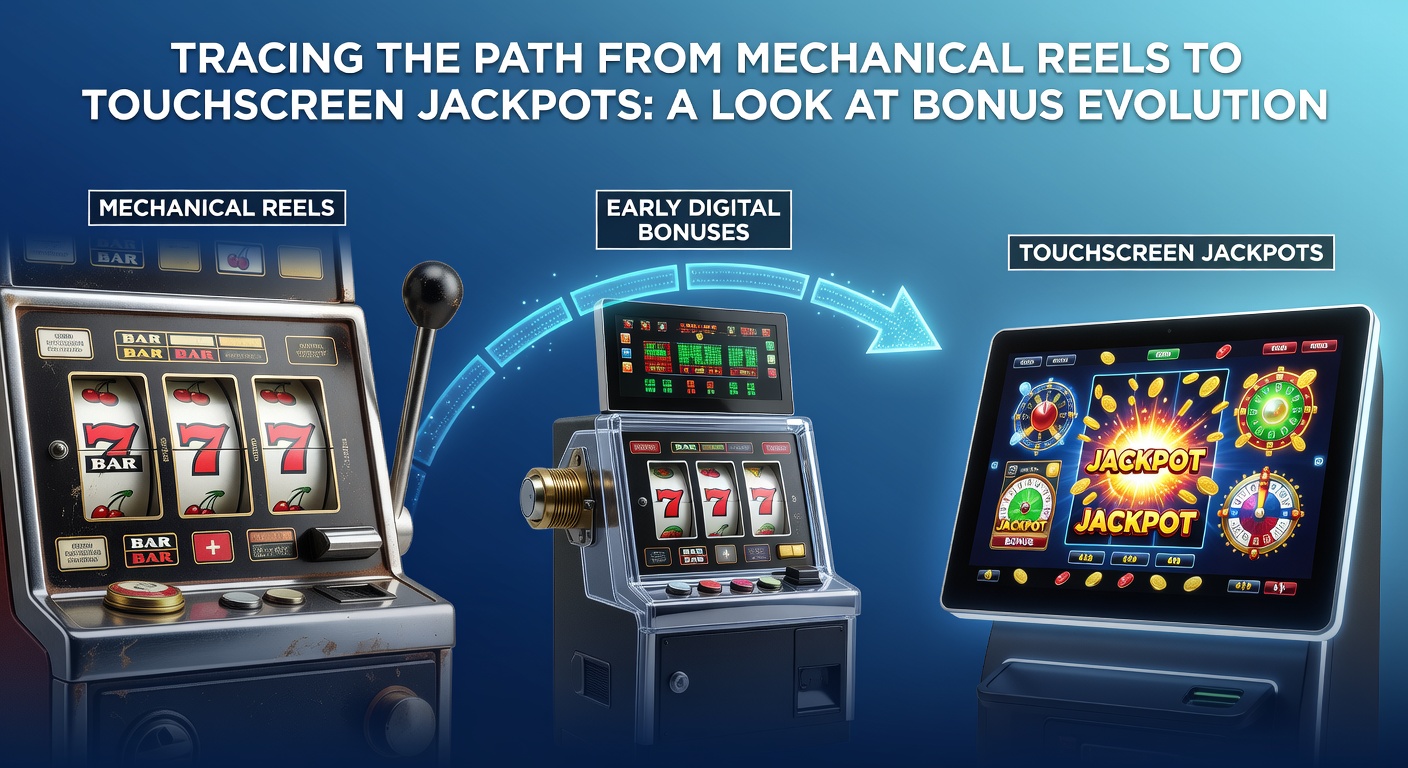
Slot machines first appeared in the late nineteenth century when inventors like Charles Fey introduced devices such as the Liberty Bell in 1895 and these early models relied on mechanical reels that delivered fixed payouts based on symbol alignments without any layered reward structures beyond the initial coin return. Observers note that the payout process remained straightforward because the hardware consisted of springs and gears that aligned three reels to produce outcomes determined solely by physical stops on each wheel.
During the early twentieth century operators added minor variations like occasional extra coins for specific combinations yet the core mechanic stayed mechanical and the reward stayed limited to the base game itself. Data from gaming archives shows that by the 1930s manufacturers such as Bally began incorporating larger jackpot pools that accumulated across multiple machines and this step marked an early shift toward shared reward systems although the delivery still depended on physical coin hoppers and manual resets.
Electromechanical Transitions and Expanded Payout Options
By the 1960s electromechanical components replaced many pure mechanical parts and this change allowed designers to introduce features such as hold buttons and nudge options that gave players limited control over reel positions after the initial spin. Researchers documented how these additions created small but noticeable increases in session length because players could influence outcomes within defined parameters and the reward system began to incorporate secondary decision points beyond the random spin result.
Manufacturers integrated lighting and sound cues to signal larger wins and these sensory additions helped distinguish bonus-level payouts from regular returns. Figures from industry reports indicate that progressive jackpot networks expanded during this period with machines linked across casino floors to build shared prize pools that grew until a qualifying combination triggered the full amount.
Video Screens and Layered Bonus Rounds
The arrival of video slot technology in the late 1970s and early 1980s replaced physical reels with digital displays and this transition opened possibilities for animated sequences that presented bonus rounds separate from the main game. One study revealed that developers introduced pick-and-click mechanics where players selected hidden items to reveal credits or multipliers and these interactive elements extended play sessions while distributing rewards through multiple stages rather than a single payout event.
Video slots also enabled free spin bonuses triggered by scatter symbols and the feature allowed players to receive a set number of spins without additional wagers during which multipliers could accumulate. Evidence from gaming technology timelines shows that by the 1990s bonus rounds incorporated themed narratives such as treasure hunts or adventure paths that guided players through successive reward opportunities tied to specific symbol collections.
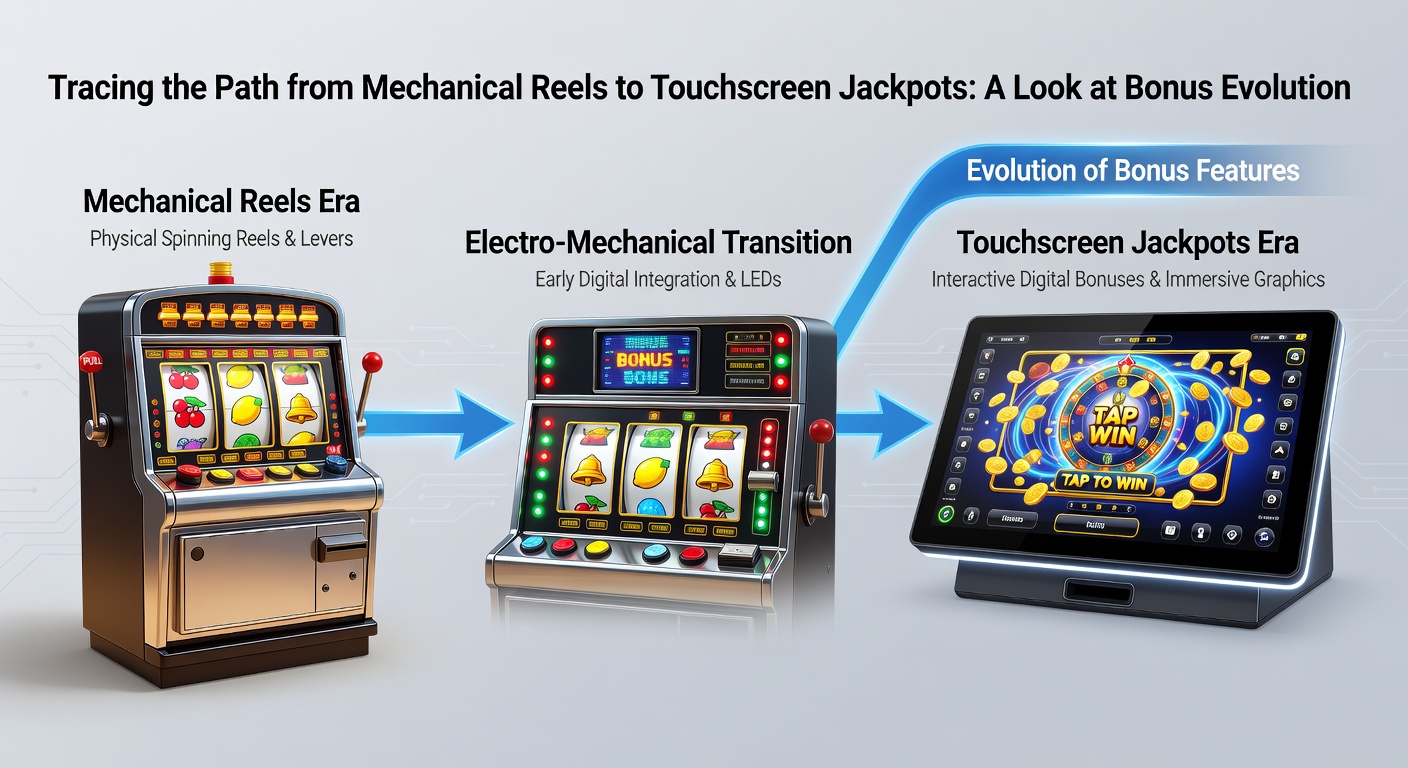
Touchscreen adoption in land-based casinos during the 2000s further altered how players engaged with bonus features because direct screen contact replaced button panels and allowed more precise selection within mini-games. According to reports from the Nevada Gaming Control Board electronic machines accounted for the majority of floor space by the mid-2000s and the shift supported increasingly complex bonus structures that responded instantly to player input.
Mobile Platforms and Real-Time Reward Mechanics
Smartphone integration introduced another layer when online platforms adapted slot titles for touch interfaces and developers began designing bonuses that utilized swipe gestures and accelerometer responses. Research indicates that mobile formats enabled location-based promotions and time-sensitive offers that delivered additional free spins or deposit matches based on player activity patterns recorded through device data.
Progressive systems expanded across networks that spanned multiple operators and jurisdictions with prize pools accumulating from wagers placed on connected titles. Industry organizations such as the European Gaming and Betting Association tracked how these shared jackpots reached record levels during peak periods and the distribution process now relied on random number generators certified by independent testing laboratories rather than mechanical stops.
Feature buy options appeared in several markets where regulations permitted direct purchase of bonus rounds and this mechanic allowed players to access higher-volatility sequences without waiting for natural triggers. Data compiled by university research groups shows measurable differences in average bet sizes when such options became available compared with standard play modes that relied solely on random activation.
Current Developments in June 2026 and Beyond
As of June 2026 integration of augmented reality overlays has begun testing in select venues where digital elements appear above physical cabinets and players interact with floating symbols to unlock additional reward tiers. These trials build on earlier touchscreen foundations while maintaining compliance with regional oversight from bodies such as state gaming commissions in North America and equivalent authorities in Asia-Pacific markets.
Blockchain verification systems have also entered testing phases for jackpot tracking and these tools provide transparent ledgers of contribution amounts across linked machines. Observers note that such transparency measures address player inquiries about prize pool integrity while the underlying bonus delivery continues to evolve through software updates rather than hardware replacements.
Conclusion
The progression from mechanical reels to touchscreen interfaces demonstrates consistent expansion of reward complexity driven by hardware advancements and regulatory frameworks. Each technological stage introduced new methods for delivering and structuring bonuses that maintained core random outcomes while adding layers of interaction and accumulation. Continued innovation in display technology and network connectivity suggests further refinements in how slot rewards reach players across global markets.