Synchronizing Authentication Windows with Win Multiplier Thresholds in Mobile Dealer Environments
Erik Werner · May 23, 2026
Synchronizing Authentication Windows with Win Multiplier Thresholds in Mobile Dealer Environments
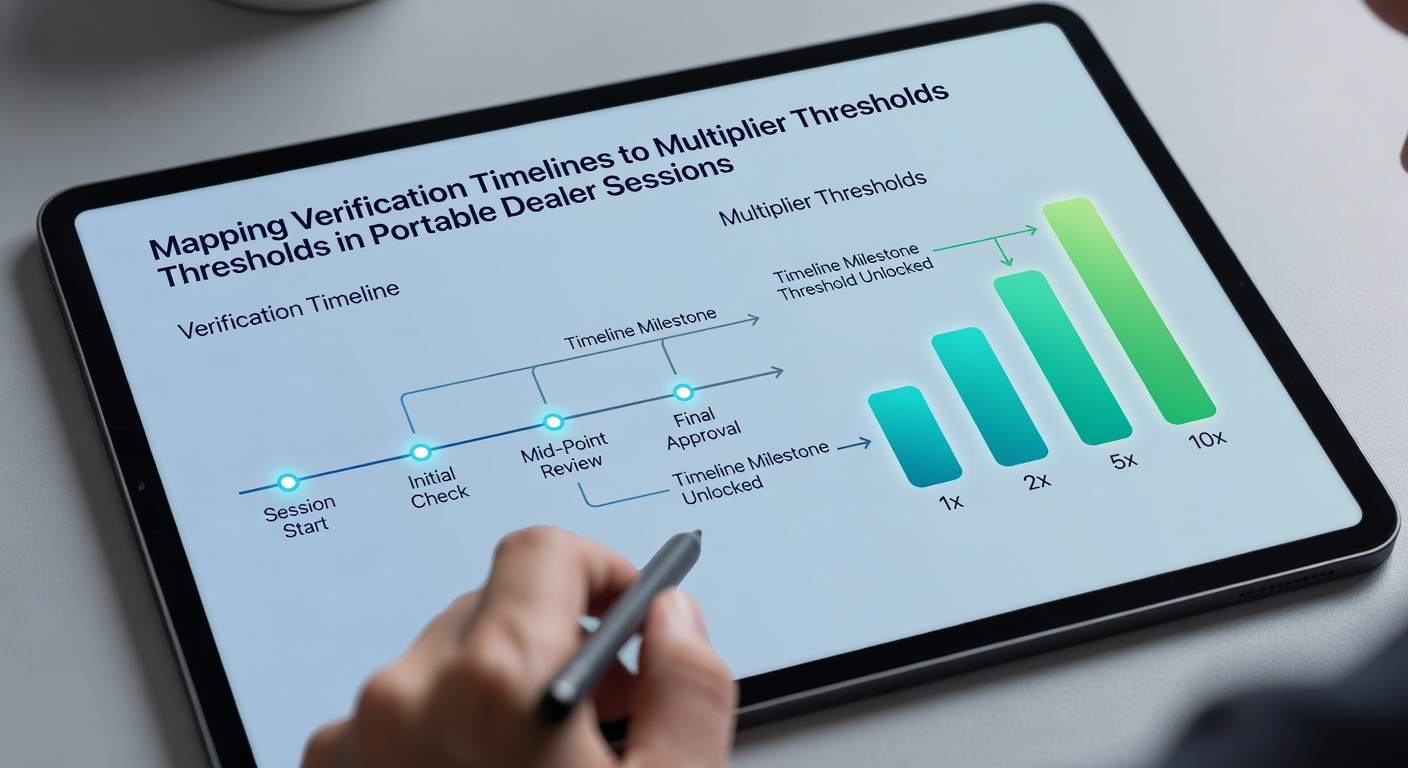
Portable dealer sessions on mobile platforms require precise coordination between identity verification timelines and the activation points for various multiplier thresholds, and operators have developed structured approaches to handle these elements together since the expansion of live gaming applications in recent years. Data from multiple jurisdictions shows that verification completion often directly influences when players gain access to escalated payout multipliers during ongoing table interactions.
Core Components of Timeline Mapping
Verification processes in mobile dealer environments typically follow staged checkpoints that align with specific multiplier unlocks, and this structure allows systems to release enhanced rewards only after certain authentication milestones are met. Operators track these alignments through backend protocols that monitor both the duration of verification steps and the corresponding multiplier levels available at each stage, while research from the University of Nevada Las Vegas gaming laboratories indicates that such mappings reduce discrepancies in bonus distribution across sessions lasting under thirty minutes.
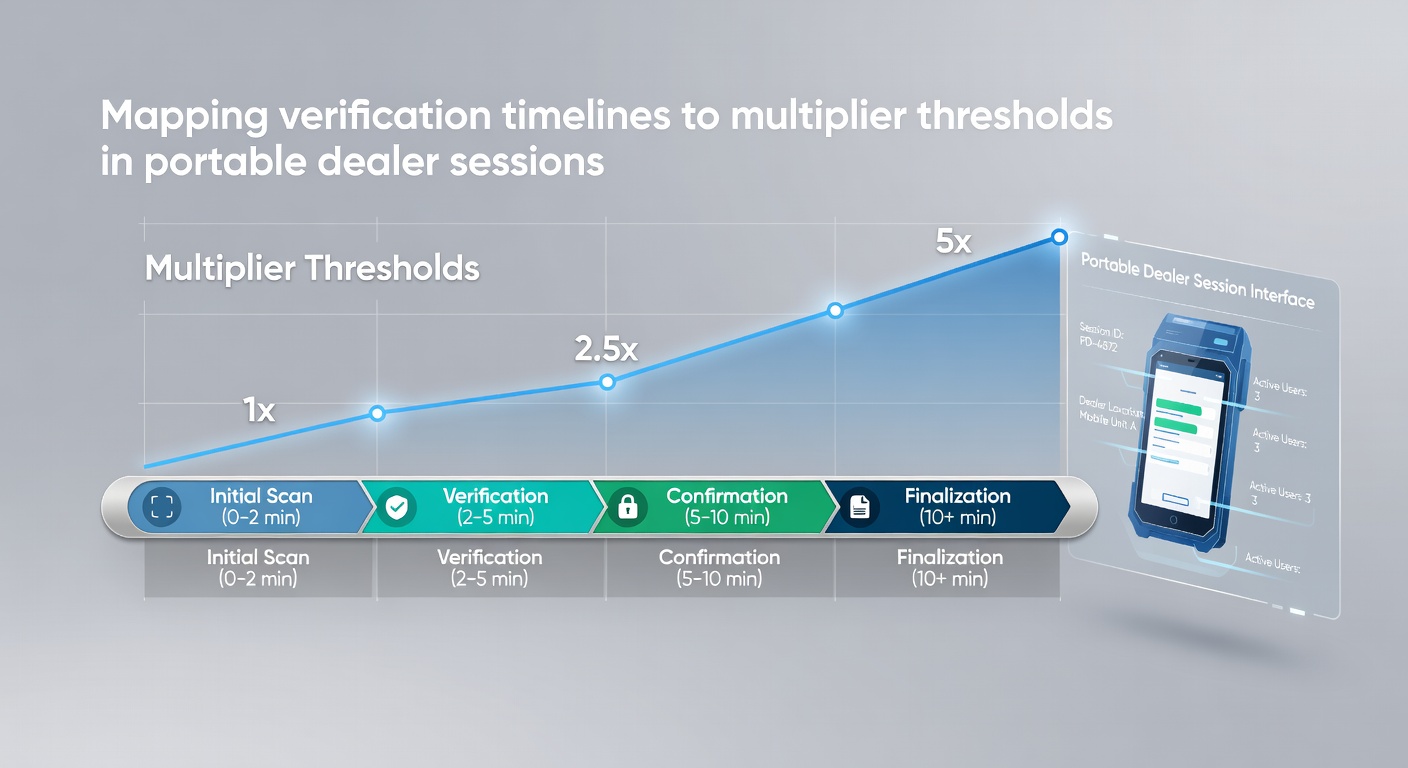
Initial verification phases usually cover basic account confirmation and can unlock entry-level multipliers around 1.5x to 2x, whereas extended checks involving document uploads push thresholds higher once completed. Those who've studied deployment patterns across European and North American markets note that the time between these phases averages between four and twelve minutes depending on network conditions and user device specifications.
Technical Integration in Portable Sessions
Live dealer applications integrate verification APIs directly with game engines so that multiplier thresholds adjust automatically upon successful authentication updates, and this seamless connection prevents delays during active rounds of games like blackjack or roulette. Figures from industry reports reveal that platforms using real-time mapping achieve verification-to-multiplier transitions in under eight seconds on average, which maintains session flow without interrupting dealer interactions.
Portable devices introduce variables such as intermittent connectivity that can extend verification timelines, yet operators counter these issues with fallback protocols that preserve partial multiplier access until full confirmation occurs. A 2025 analysis by the Canadian Centre for Gaming Research highlighted how such adaptive systems improved completion rates by twenty-three percent compared to static verification models used previously.
Regional Implementation Patterns Observed in 2026
Markets outside the United Kingdom have adopted distinct approaches to these mappings, and data released in May 2026 from the Nevada Gaming Control Board showed increased adoption of tiered verification schedules tied explicitly to multiplier bands in mobile dealer offerings. Australian operators, for instance, have incorporated progressive thresholds that scale multipliers from 2x up to 10x as verification depth increases, according to findings published by the Australian Gambling Research Centre.
These regional variations demonstrate how local regulations shape the exact timelines, yet the underlying principle remains consistent across implementations: verification completion gates higher multiplier activation to ensure compliance while supporting player engagement metrics. Observers note that sessions conducted on tablets rather than smartphones often complete these mappings faster due to larger interface elements that streamline document capture processes.
Impact on Session Dynamics and Player Progression
Players experience multiplier adjustments as verification progresses, which creates a layered reward structure within single portable dealer sessions, and this dynamic encourages continued participation once initial checks clear. Studies conducted by researchers at the University of Sydney's Gambling Research Unit found that aligned systems correlate with higher average session durations because users reach elevated thresholds without leaving the application.
Threshold examples include basic identity confirmation enabling 3x multipliers within the first five minutes, followed by enhanced checks that activate 5x and above once address verification completes. These progressions occur without manual intervention from dealers or support staff, which keeps the focus on gameplay itself rather than administrative interruptions.
Future Developments in Mapping Accuracy
Advancements in biometric verification technologies are expected to shorten overall timelines while maintaining precise alignment with multiplier thresholds, and preliminary tests conducted in late 2025 demonstrated reductions of up to forty percent in processing durations. Industry organizations such as the European Gaming and Betting Association have documented pilot programs where facial recognition integrations allow instant threshold updates during active dealer rounds.
Continued refinement of these mappings will likely incorporate predictive elements that anticipate verification needs based on session length and device type, which could further streamline the connection between authentication status and available multipliers. Data collected through 2026 indicates steady improvement in mapping precision across portable platforms as operators refine their backend algorithms.
Conclusion
Mapping verification timelines to multiplier thresholds forms a foundational element of modern mobile dealer session management, and the structured approaches described here reflect established practices across multiple regulatory environments. Organizations continue to refine these connections through technological updates and regional adaptations that support both compliance requirements and operational efficiency in live gaming contexts.