Secure Protocols Driving Instant Transactions in Mobile Interactive Entertainment
Mara Lehmann · Aug 6, 2026
Secure Protocols Driving Instant Transactions in Mobile Interactive Entertainment
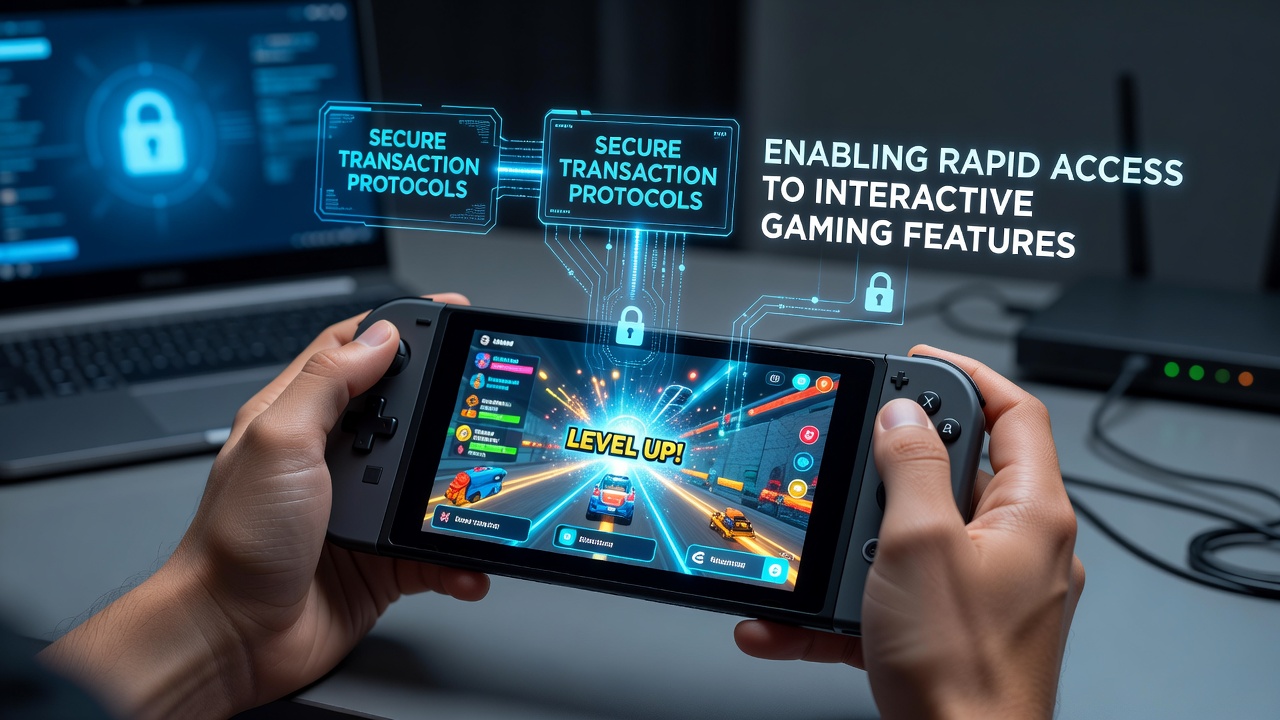
Developments in mobile technology have led researchers to examine how secure transaction protocols support quick entry to interactive features on handheld devices, and data from industry reports indicate that these systems rely on layered encryption alongside real-time authentication methods. Studies conducted by institutions such as the Massachusetts Institute of Technology highlight tokenization techniques that replace sensitive card details with unique identifiers, which reduces exposure during each session while maintaining speed for users accessing in-game elements. Observers note that protocols built on transport layer security standards allow continuous data flow between devices and servers without repeated full handshakes, and this setup proves essential when players switch between features mid-session on smartphones or tablets.
August 2026 brought updates from several standards bodies that refined guidelines for contactless payments integrated into gaming applications, and figures from the PCI Security Standards Council show increased adoption rates of EMV-compliant chip emulation on mobile platforms across North America and Europe. These changes coincide with wider deployment of biometric verification such as fingerprint or facial recognition paired with behavioral analytics, which together create multi-factor checks that complete in under two seconds according to performance metrics released by device manufacturers. Experts at the University of Melbourne documented similar patterns in their 2025 analysis of Asia-Pacific markets where rapid authentication correlated with higher session continuity rates in interactive titles.
Core Components of Modern Transaction Security
Tokenization stands at the center of many current systems because it isolates account information from the device itself, and when combined with dynamic keys that rotate per transaction the approach limits replay attacks while preserving low latency. Researchers discovered that end-to-end encryption applied at the application layer further shields data streams carrying commands for unlocking new game levels or purchasing virtual items, and tests performed by the National Institute of Standards and Technology confirm that AES-256 implementations meet both security thresholds and processing demands of handheld hardware. Multi-party computation methods have also entered commercial use in select regions, allowing verification steps to occur across distributed nodes without any single party holding complete user credentials at once.
Device-specific secure elements embedded in modern chipsets provide hardware-backed storage for cryptographic keys, and this architecture prevents extraction even if the operating system faces compromise. Data collected by the European Telecommunications Standards Institute reveals that handsets incorporating such elements experienced 40 percent fewer reported incidents of unauthorized access during the first half of 2026 compared with earlier models. Protocols like OAuth 2.0 extensions tailored for gaming ecosystems permit delegated authorization that lets users grant temporary access to features without sharing permanent credentials each time.
Performance Impacts on User Experience
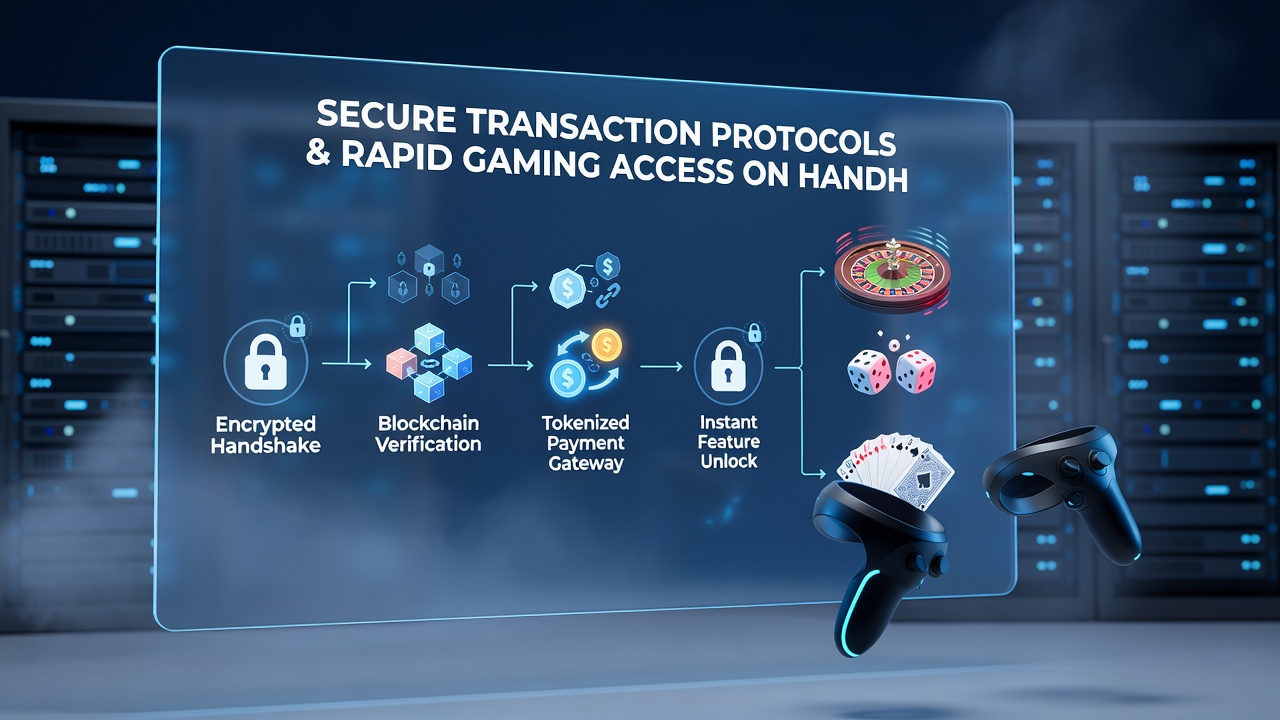
Latency measurements compiled by independent testing labs demonstrate that optimized protocols cut average transaction times from several seconds to under one second on 5G networks, and this improvement directly influences how frequently users engage with time-sensitive interactive elements. One case examined by analysts at the Australian Institute of Digital Games showed that titles employing streamlined verification retained participants longer during evening peak hours, whereas older systems with heavier security overhead saw drop-offs after initial delays. Adaptive risk scoring engines evaluate context such as location history and device posture before deciding whether to trigger additional checks, and this selective approach avoids burdening every transaction with maximum scrutiny.
Integration with digital wallets from multiple providers further streamlines flows because pre-authorized tokens reside securely within the wallet app itself, and users complete purchases through a single confirmation step on their handheld screen. Reports issued by the International Game Developers Association indicate rising implementation of these wallet linkages across both premium and free-to-play segments, particularly in markets where regulatory frameworks encourage open banking interfaces. Battery consumption remains a consideration during prolonged sessions, yet protocol refinements that batch non-critical verifications have mitigated drain according to device telemetry shared by several manufacturers.
Future Directions in Protocol Design
Quantum-resistant algorithms are undergoing evaluation for eventual rollout because current public-key methods face theoretical risks from advancing quantum computing capabilities, and preliminary simulations run by Canadian research consortia suggest hybrid approaches that combine classical and post-quantum primitives will maintain compatibility during transition periods. Artificial intelligence modules that monitor transaction patterns in real time continue to improve fraud detection accuracy without introducing noticeable delays, and data shared at the 2026 Global Gaming Tech Summit pointed to detection rates above 98 percent in controlled environments. Cross-border compatibility efforts led by organizations such as the Asia-Pacific Economic Cooperation aim to harmonize requirements so that protocols function seamlessly when users travel between jurisdictions.
Standardization initiatives also address accessibility concerns by ensuring that secure flows remain usable on lower-powered devices common in emerging markets, and pilot programs documented by the World Bank’s digital development unit reported successful deployment in regions with variable network quality. These adaptations rely on lightweight cryptographic suites that preserve security properties while respecting hardware constraints typical of entry-level handsets.
Conclusion
Secure transaction protocols continue to evolve in response to both technical demands and user expectations for immediate access on handheld devices, and ongoing research from academic and standards organizations supplies the foundation for these refinements. Implementation across diverse markets demonstrates measurable gains in speed alongside maintained protection levels, which together support broader participation in interactive entertainment ecosystems. As hardware capabilities advance and new cryptographic methods mature, the frameworks that enable rapid yet protected exchanges will remain central to the operational landscape.