Mapping Retention Dynamics Through Multi-Tiered Reward Systems in Cross-Platform Gaming
Erik Werner · Jul 21, 2026
Mapping Retention Dynamics Through Multi-Tiered Reward Systems in Cross-Platform Gaming
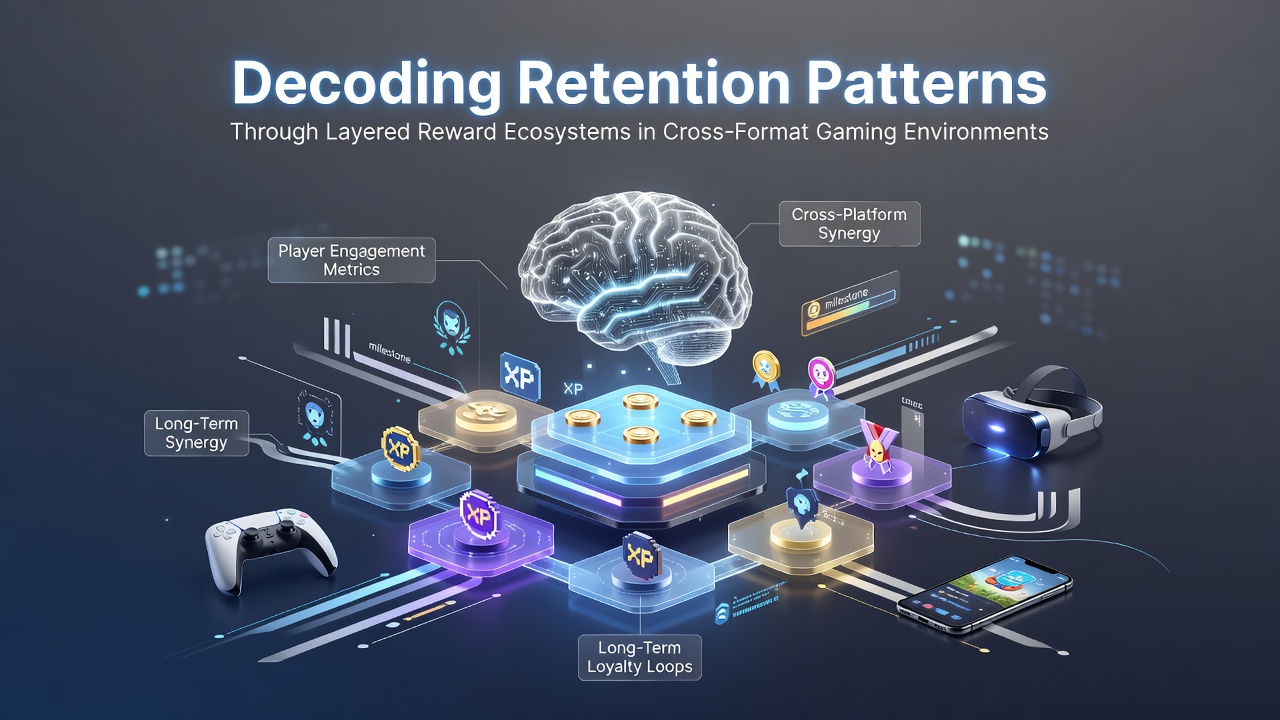
Cross-format gaming environments blend mobile, console, and PC platforms through shared reward layers that track player activity across devices. These systems combine daily login bonuses, progression tiers, and event-specific incentives to maintain engagement over extended periods. Data collected from multiple platforms shows how points earned on one device transfer seamlessly to others, creating continuous momentum in player behavior.
Core Components of Layered Reward Structures
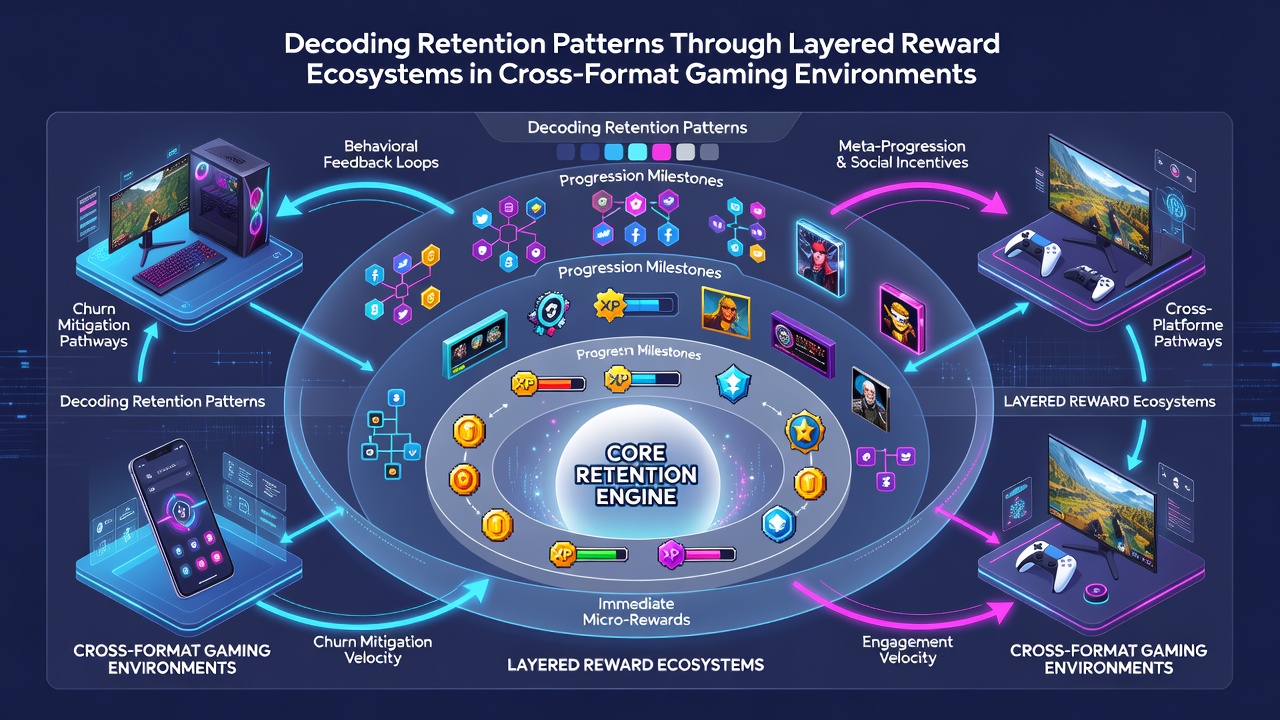
Layered ecosystems operate through distinct tiers that escalate in value and complexity. Base layers deliver immediate feedback via small rewards such as currency or cosmetic items, while mid-level tiers unlock access to exclusive events or collaborative challenges. Top tiers introduce competitive elements like leaderboards and limited-time assets that require sustained participation across formats. Industry reports indicate these graduated structures encourage users to maintain consistent activity rather than sporadic sessions.
Integration between formats relies on unified accounts and cloud-based progress tracking. A player who completes a mobile quest can apply those rewards directly to a console session later the same day. This connectivity reduces friction and supports longer overall play cycles according to figures released by the Entertainment Software Association.
Retention Patterns Observed in Multi-Device Play
Analysis of user data reveals distinct retention curves tied to reward layering. Players who engage with at least three reward tiers within the first week demonstrate higher return rates at the 30-day and 90-day marks. Cross-format participation amplifies this effect because progress carries forward regardless of device availability. Researchers at academic institutions have documented similar patterns in large-scale telemetry studies where account linkage correlates with reduced churn.
Seasonal events further shape these patterns by introducing temporary layers that reset or evolve. July 2026 saw several major titles deploy synchronized summer campaigns across mobile and console versions, resulting in measurable spikes in cross-device logins during the first two weeks of the month. Observers note that such timed overlaps help stabilize retention during traditionally slower periods.
Data Insights from Industry and Regulatory Sources
Platform operators compile retention statistics that highlight the role of layered incentives. Metrics from North American markets show average session length increasing by 18 percent when cross-format rewards activate automatically. European gaming associations have published parallel findings where unified progression systems reduce drop-off after initial onboarding. These datasets emphasize measurable behavioral shifts rather than subjective player sentiment.
Academic reviews of reward mechanics point to psychological reinforcement loops created by tiered access. Studies conducted through university research programs track how variable reward timing, combined with multi-device availability, sustains dopamine responses over weeks rather than days. Such evidence supports design choices that prioritize continuity across formats.
Implementation Challenges and Platform Adjustments
Technical synchronization remains a persistent hurdle. Developers must align server architectures so that reward states update without latency across regions and device types. Cases where mobile and console databases desync produce temporary reward gaps that correlate with short-term retention dips. Teams address these issues through incremental patches and improved API frameworks.
Regulatory environments in various regions also influence reward design. Australian oversight bodies, for instance, require clear disclosure of progression probabilities within tiered systems. Compliance documentation from 2025 and 2026 shows operators adapting reward language and visual indicators to meet these standards while preserving engagement mechanics.
Future Trajectories for Cross-Format Ecosystems
Emerging technologies such as improved cloud streaming and account portability continue to expand the reach of layered rewards. Developers test hybrid models that incorporate real-world activity tracking alongside in-game progression. Early implementations link fitness data or social interactions to reward eligibility, extending retention logic beyond traditional play sessions.
Market forecasts from research firms project steady growth in cross-format participation through 2027. These projections rest on current telemetry showing that unified reward layers maintain higher lifetime value per account compared with siloed platform systems. Adjustments in July 2026 rollout schedules already reflect this emphasis on interconnected ecosystems.
Conclusion
Layered reward ecosystems in cross-format gaming produce measurable retention outcomes through tiered progression and device-agnostic tracking. Industry data, academic studies, and regulatory records collectively demonstrate how these systems shape player behavior across mobile, console, and PC environments. Continued refinement of synchronization tools and compliance frameworks will determine the next phase of development in these interconnected gaming landscapes.