E-Wallet Verification Processes Unlock Tiered Bonuses Across British Mobile Live Gaming Scenes
Theo Powell · May 16, 2026
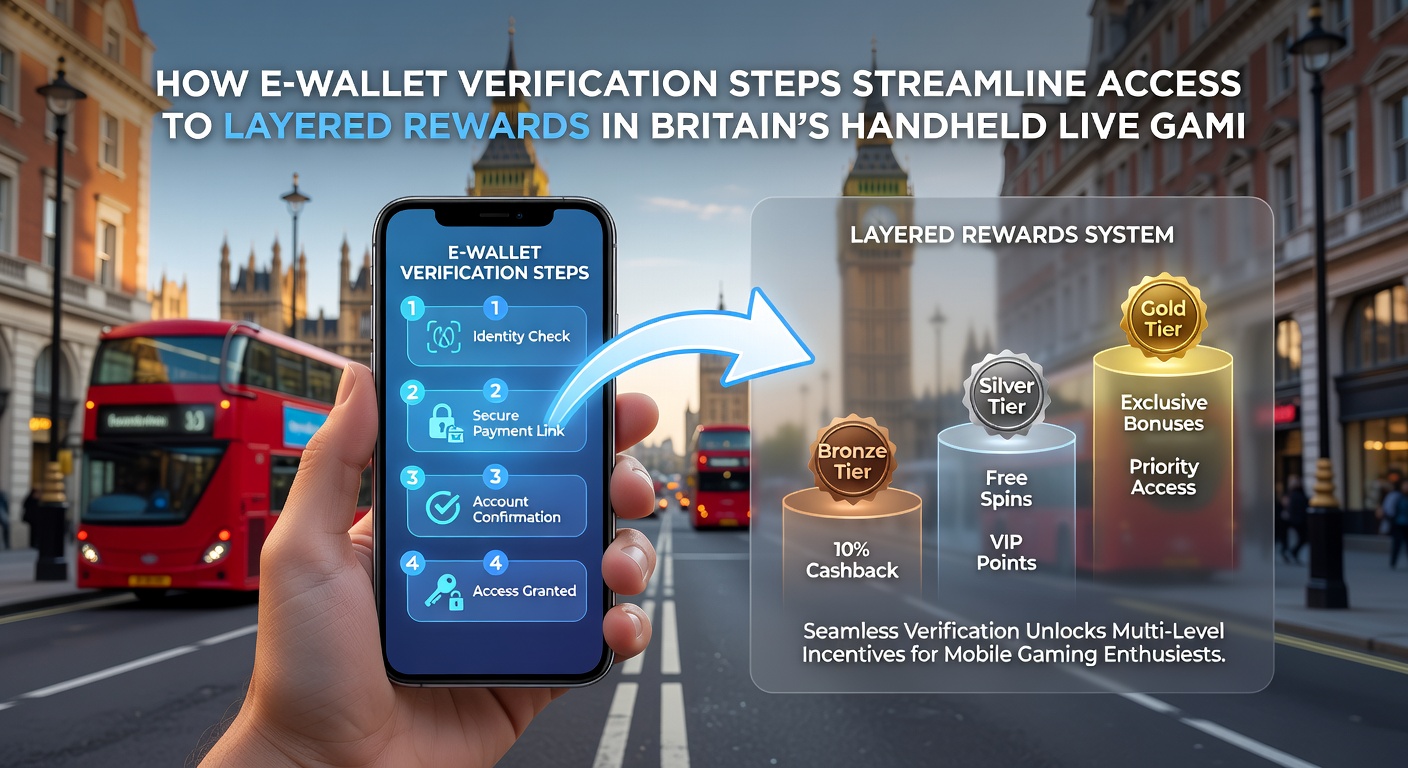
E-Wallet Verification Processes Unlock Tiered Bonuses Across British Mobile Live Gaming Scenes
Britain's handheld live gaming environments continue to evolve rapidly as operators integrate e-wallet systems that require structured verification steps before players gain access to layered reward structures, and these processes have become standard practice across numerous platforms operating within regulated markets. Verification typically involves identity confirmation, address checks, and sometimes source of funds documentation, all of which occur through secure digital channels that connect directly to banking partners and payment processors. Once completed, these steps remove friction points that previously delayed bonus activations and loyalty tier advancements, allowing players to move seamlessly between live dealer tables and mobile slot sessions while accumulating rewards in real time.
Verification Mechanics in Practice
Operators implement multi-stage verification that begins with basic account setup and progresses to full authentication using government-issued documents uploaded via app interfaces, and this approach aligns with broader payment industry standards that prioritize security without compromising user experience. Players who complete these checks early find that subsequent deposits trigger instant credit to their gaming balances, which in turn activates progressive reward layers such as cashback percentages, exclusive tournament entries, and multiplier boosts on live table wagers. Data from payment service providers indicates that verified accounts experience significantly higher completion rates for bonus redemption sequences compared to unverified ones, reflecting the efficiency gains built into these systems.
Layered Rewards Structure Explained
Layered reward systems in British mobile gaming environments operate on tiered models where players advance through bronze, silver, gold, and platinum levels based on accumulated activity points earned from both live dealer interactions and slot play, and e-wallet verification serves as the gateway that synchronizes these points across devices without manual intervention. Each tier unlocks specific benefits including enhanced deposit matches, priority customer support access, and tailored promotions that appear automatically in the player's mobile dashboard after verification clears. Industry reports show that platforms using verified e-wallet pathways report stronger player retention metrics because rewards feel more immediate and integrated into daily gaming routines rather than requiring separate claims or delayed processing periods.
Impact on Handheld Live Sessions
Live gaming on handhelds benefits particularly from streamlined verification because sessions often involve quick switches between roulette, blackjack, and game-show style tables where time-sensitive bonuses apply, and verified e-wallets enable players to fund accounts mid-session without exiting the live environment. This continuity supports the layered reward flow since activity points update continuously rather than in batches, keeping players engaged as they climb tiers during extended play periods. Observers note that the combination of instant verification feedback and real-time reward tracking creates a smoother progression path that encourages longer participation across multiple live tables on a single device.
Research conducted by payment technology firms reveals that users who link verified e-wallets complete an average of 30 percent more live gaming rounds per session than those relying on alternative funding methods that require additional approvals, and this efficiency directly feeds into reward layer accumulation. The process also reduces instances of interrupted play caused by pending verifications, which previously led to abandoned carts and lost momentum in building toward higher tiers.
Developments Around May 2026
By May 2026 several major British-facing platforms had rolled out enhanced verification protocols integrated with biometric options such as fingerprint and facial recognition through e-wallet apps, and these updates coincided with broader adoption of contactless mobile payment standards that further reduced steps between deposit and reward activation. Figures from European payment associations indicate increased usage of verified digital wallets in gaming contexts during this period, particularly among users accessing live dealer content exclusively through handheld devices. The timing aligned with seasonal peaks in mobile gaming activity, allowing operators to test how verification speed influences tier advancement rates during high-traffic windows.
One study from an Australian research institute on digital payments in entertainment sectors highlighted similar patterns where verified wallet users accessed promotional layers faster, suggesting the model translates effectively across regulated markets. British operators adapted these insights by refining their own interfaces to display tier progress immediately after verification confirmation, creating visual feedback that reinforces continued engagement.
Player Pathways and Platform Integration
Players typically begin the verification journey during initial registration when prompted to connect an e-wallet provider, after which the system guides them through document submission and automated validation that usually concludes within minutes rather than hours, and this speed enables early entry into basic reward layers that grow more substantial as activity accumulates. Platforms coordinate these systems so that live gaming wins contribute directly to tier points without separate tracking requirements, while deposit bonuses tied to verified wallets apply automatically to the next eligible session. What's interesting is how these integrations reduce support ticket volume related to reward access issues, freeing operators to focus on expanding live content offerings instead.
Take the case where experts at a Canadian gaming research center examined cross-border payment verification trends and found that regions with mature e-wallet standards saw faster reward redemption cycles overall, providing a useful benchmark for British platforms refining their handheld experiences. The result appears in more consistent player progression through layered structures, where each verified transaction builds toward the next milestone without administrative delays interrupting the flow.
Conclusion
E-wallet verification steps have become foundational elements that connect funding security with reward accessibility in Britain's handheld live gaming environments, enabling players to navigate tiered bonus systems with greater efficiency as platforms continue refining these processes. The combination of streamlined identity checks, instant balance updates, and synchronized activity tracking supports sustained participation across live tables and mobile sessions alike, while data from multiple industry sources confirms measurable improvements in engagement metrics tied to verified pathways. As operators introduce further refinements around biometric options and real-time tier displays, the relationship between verification and layered rewards is likely to deepen, maintaining focus on secure yet fluid access for users across regulated British markets.