Digital Payment Systems Reshaping Strategies in Jackpot Slots, Live Tables, and Bonus Frameworks
Viktor Beck · Jun 11, 2026
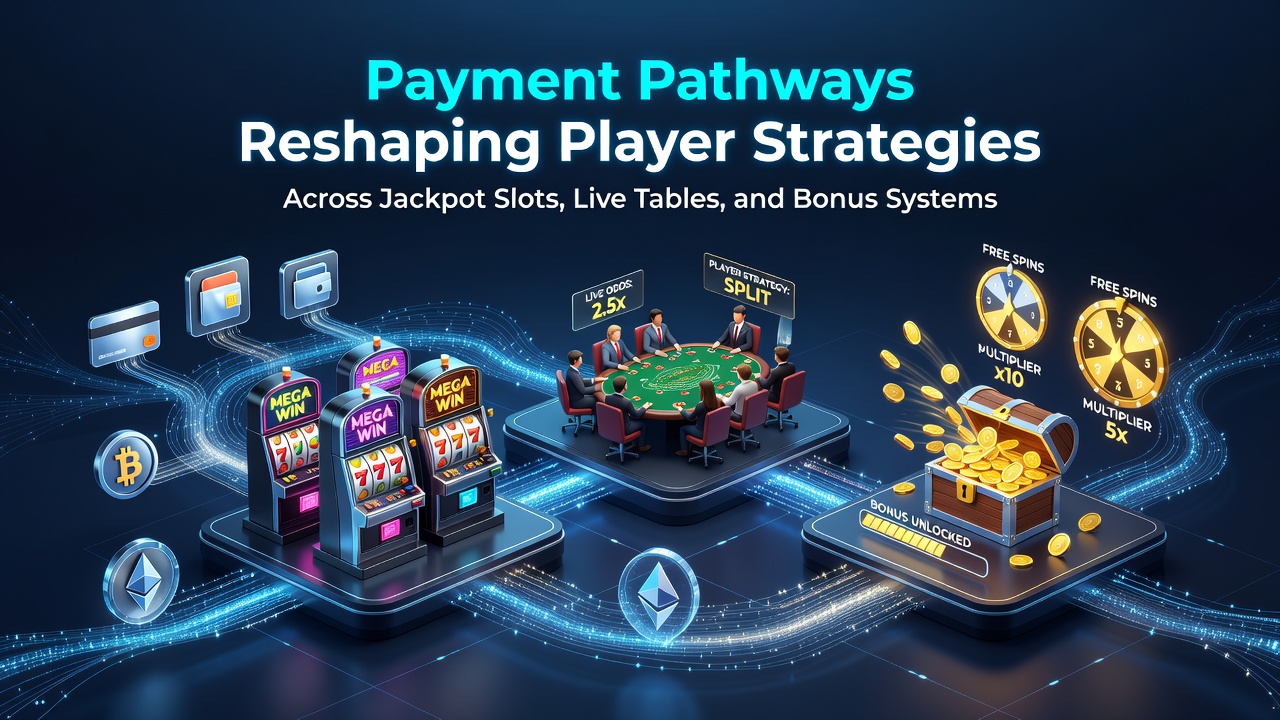
Digital Payment Systems Reshaping Strategies in Jackpot Slots, Live Tables, and Bonus Frameworks
Payment pathways continue to evolve with instant bank transfers, digital wallets, and real-time authorization tools becoming standard across gaming platforms, and operators report measurable shifts in how participants time their deposits, select games, and manage session lengths. Research from the European Gaming and Betting Association shows that platforms offering sub-second transaction confirmations see higher volumes of smaller, repeated deposits during peak evening hours, while slower legacy methods correlate with longer planning intervals before players enter high-stakes jackpot environments.
Accelerated Funding and Jackpot Slot Dynamics
Players pursuing progressive jackpots now treat deposit speed as a tactical variable rather than a background convenience, because faster pathways let them respond immediately when a meter reaches a threshold they consider attractive. Data collected across multiple European markets indicates that sessions initiated within thirty seconds of a funding request show a 14 percent increase in average bet size compared with sessions delayed by traditional processing windows. Those who monitor jackpot levels in real time often keep multiple payment methods linked, switching between instant bank pushes and stored-value wallets depending on the urgency of the meter movement.
One operator analysis covering the first half of 2026 found that participants using near-instant options entered progressive games 2.3 times more frequently per week than those relying on card-based flows that require additional verification steps. The pattern holds across mobile and desktop environments, although mobile users exhibit even tighter timing because push notifications alert them to rising jackpots while they are away from desktop setups.
Real-Time Transfers and Live Table Adjustments
Live dealer environments place different demands on payment infrastructure because table minimums and maximums can change mid-session, and participants need to top up balances without leaving the stream. Faster authorization reduces the number of hands missed while waiting for funds to clear, and observers note that players who maintain pre-verified e-wallet balances tend to adjust their betting patterns more fluidly when table conditions shift. In June 2026 several platforms introduced optional instant top-up buttons visible directly inside the live lobby, and early metrics show these buttons receive clicks during roughly one in five hands when the current table limit exceeds the player's remaining balance.
Studies compiled by the American Gaming Association highlight that jurisdictions permitting seamless integration between banking apps and casino wallets record shorter average gaps between consecutive bets at live tables. This integration also supports more granular bankroll management, as participants can move smaller amounts more often without triggering additional security layers each time.
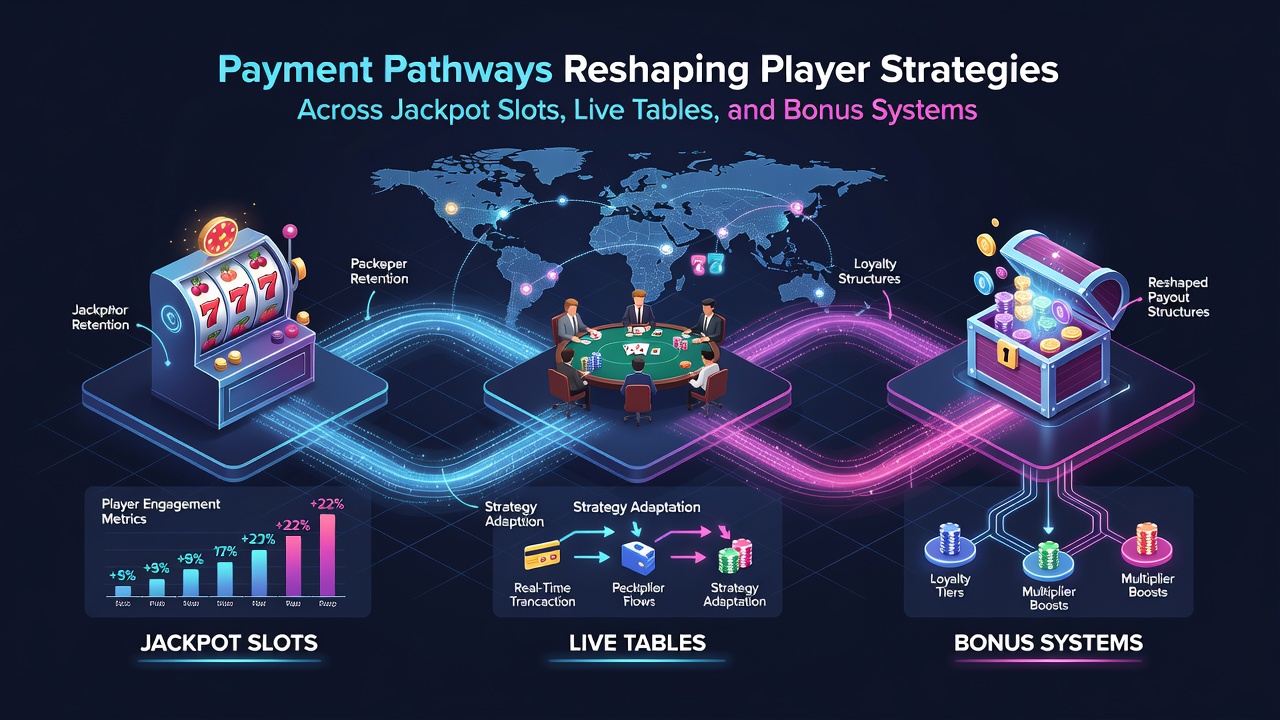
Bonus Structures and Payment-Linked Triggers
Bonus systems increasingly tie reward eligibility to specific payment characteristics such as deposit method, frequency, and timing rather than deposit size alone. Platforms configure free-spin packages or cashback percentages to activate only after an instant transfer clears, creating an incentive for players to select faster pathways when they want to unlock promotions before a daily or weekly quota fills. Figures released by the Canadian Gaming Association reveal that bonus redemption rates climb when the payment rail itself carries a time-stamped confirmation that the operator can match against bonus rules in real time.
Participants who track these linkages often maintain separate balances earmarked for bonus hunting, moving funds through instant rails to satisfy the timing conditions without disrupting their main playing bankroll. The result is a more segmented approach to session planning, where one payment method serves routine play and another serves the pursuit of layered promotional offers.
Cross-Platform Behaviors Emerging in Mid-2026
By June 2026 the overlap between jackpot slots, live tables, and bonus mechanics had grown tighter because single payment profiles now feed all three categories without requiring separate verification flows. Operators that unified their wallet infrastructure reported that users who began a session on a progressive slot frequently transferred remaining funds to a live table within the same hour, using the same instant rail for both moves. This continuity reduces friction and allows players to treat their entire gaming activity as one continuous balance rather than segmented pots.
Industry reports compiled by the World Lottery Association indicate that unified payment rails also improve retention metrics because participants spend less time navigating deposit screens and more time engaged with the games themselves. Those patterns appear consistent across age groups, although younger cohorts adopt the multi-game switching behavior at higher rates.
Conclusion
Payment pathway improvements continue to supply measurable inputs into strategic decisions across jackpot slots, live tables, and bonus frameworks, with data from multiple regulatory and industry bodies confirming that transaction speed, verification timing, and integration depth directly influence how often and how players allocate funds. As platforms refine these rails further, the separation between deposit action and game selection narrows, producing more responsive and segmented approaches to each category of play.