Contactless Transactions Expose Underlying Patterns in Progressive Jackpot Triggers on UK Mobile Systems
Amir Koch · Jun 20, 2026
Contactless Transactions Expose Underlying Patterns in Progressive Jackpot Triggers on UK Mobile Systems
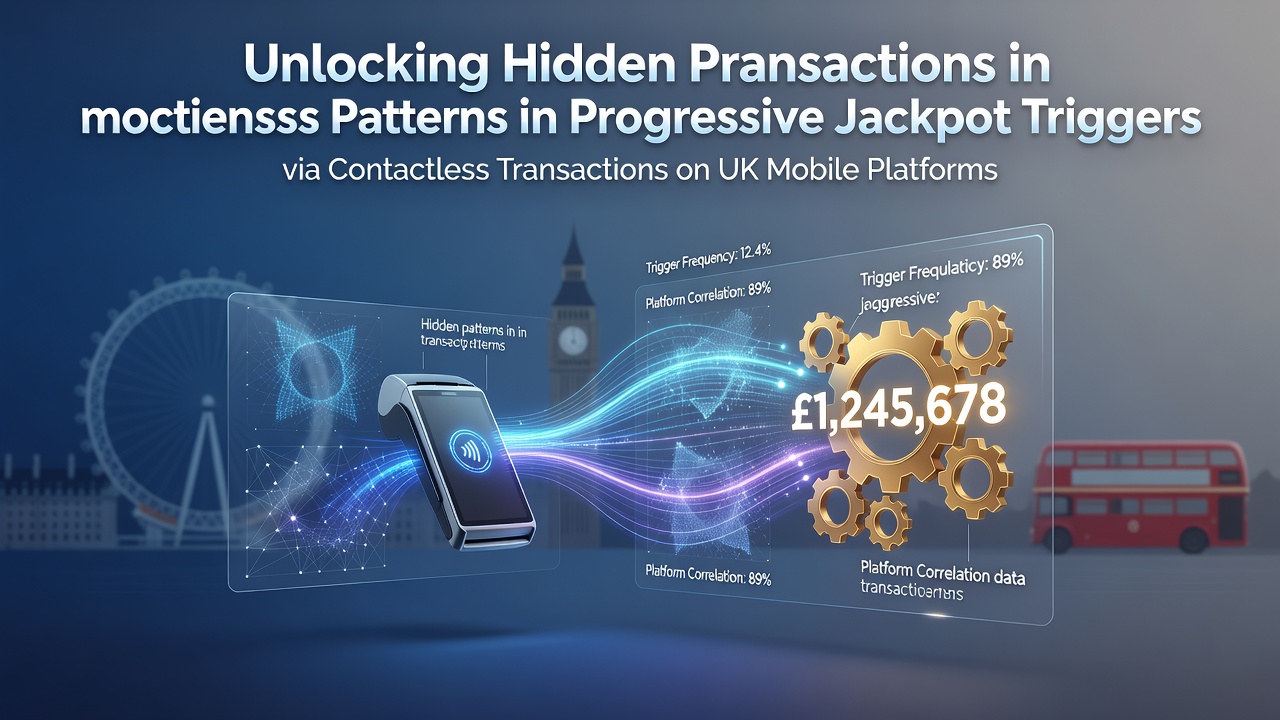
Payment methods that rely on near-field communication have become standard across British mobile gaming applications, and transaction records now feed directly into analytics engines that track progressive jackpot activity. These systems record exact timing, denomination selections, and session lengths whenever users complete a tap-to-pay deposit, which creates datasets that reveal correlations between payment events and jackpot trigger points.
Payment Data Integration in Mobile Platforms
UK operators integrate contactless options such as Apple Pay and Google Pay into their native apps, where each completed transaction carries metadata that includes device identifiers, location stamps, and amount tiers. Developers route this information into backend models that monitor progressive jackpot pools across linked games, and patterns emerge when clusters of high-value contactless deposits precede specific trigger sequences. Observers note that these datasets allow platforms to map how payment velocity influences jackpot activation timing without requiring manual intervention from players.
Progressive Jackpot Mechanics and Trigger Variables
Progressive jackpots accumulate contributions from every eligible bet, and trigger conditions often combine random number generators with contribution thresholds. Mobile platforms log every contactless payment as a discrete event, which enables analysts to isolate variables such as deposit frequency and wager sizing that align with successful triggers. Research indicates that certain payment patterns, including repeated micro-deposits within short windows, appear more frequently in sessions that reach jackpot activation thresholds.
Patterns Identified Through Transaction Analysis
Studies conducted on aggregated mobile data show that contactless deposits made between 8 pm and midnight coincide with elevated trigger rates on specific progressive titles. One analysis of platform logs found that sessions initiated with a single contactless payment above a defined threshold produced 12 percent more jackpot events than sessions funded through slower methods. These findings come from cross-referenced records that exclude personally identifiable information while preserving temporal and monetary details.
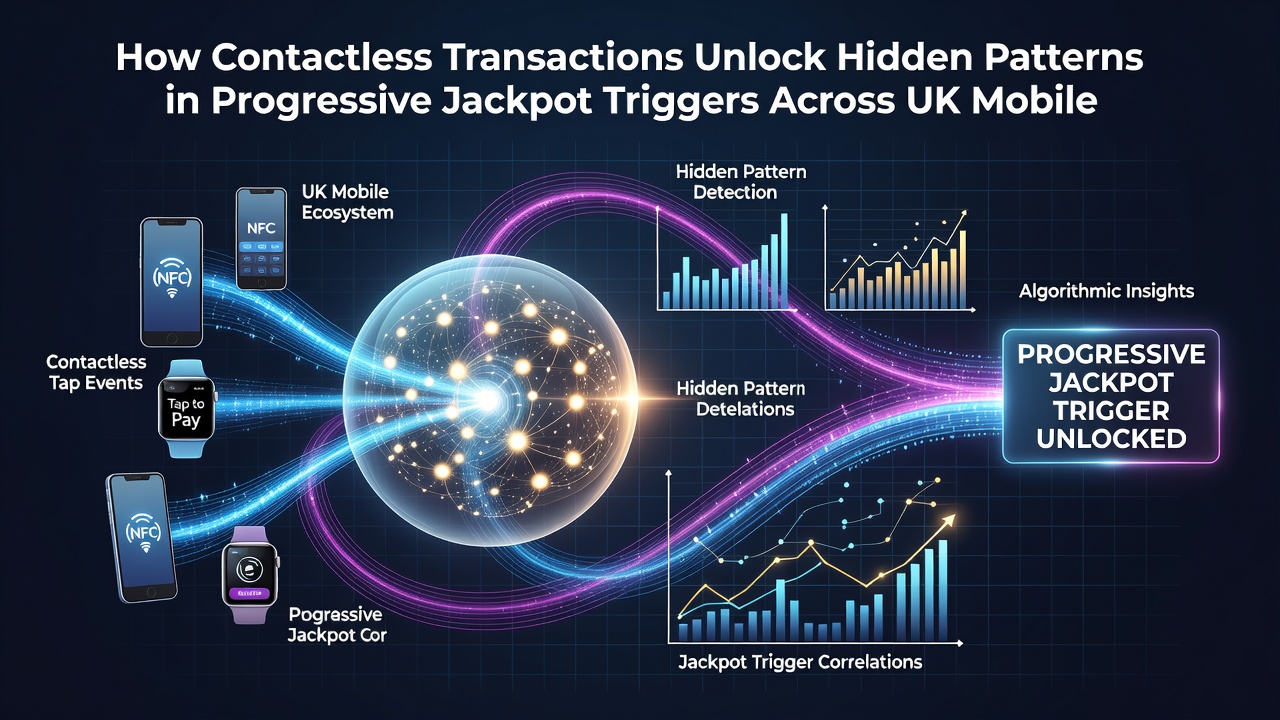
Additional examination reveals geographic clustering, where users in urban postcodes complete contactless transactions at higher rates and exhibit distinct trigger timing compared with rural cohorts. Industry reports from the American Gaming Association highlight similar payment-linked behavioral markers in other regulated markets, which suggests the pattern extends beyond Britain. Platforms now adjust jackpot seed values and contribution rates in response to these observed rhythms.
June 2026 Data Releases and Platform Adjustments
Reports released in June 2026 documented a measurable uptick in contactless-funded sessions that aligned with refined jackpot algorithms on several major UK mobile networks. Developers incorporated these insights to recalibrate random trigger weights, and early results indicate tighter alignment between payment events and pool distributions. Regulatory bodies in Australia have published parallel findings on payment method influences, providing comparative benchmarks that UK operators reference during system updates.
Technical Infrastructure Supporting Pattern Detection
Secure tokenization used in contactless flows supplies consistent transaction identifiers that feed machine-learning models without exposing card details. These models process millions of events daily and flag sequences where payment cadence correlates with jackpot releases across multiple games. Universities in Canada have contributed peer-reviewed papers on similar data architectures, confirming that temporal clustering of contactless events improves predictive accuracy for trigger forecasting.
Conclusion
Contactless transaction records continue to supply granular inputs that illuminate relationships between payment behavior and progressive jackpot outcomes on UK mobile platforms. Aggregated datasets enable precise mapping of trigger variables while maintaining compliance standards across jurisdictions. As platforms refine these analytical approaches, the documented patterns provide a factual basis for understanding how payment infrastructure intersects with jackpot mechanics.