Charting Interconnected Bonus Pathways Linking Live Dealer Sessions to Progressive Accumulators via Tiered Verification Protocols
Mara Lehmann · Aug 25, 2026
Charting Interconnected Bonus Pathways Linking Live Dealer Sessions to Progressive Accumulators via Tiered Verification Protocols
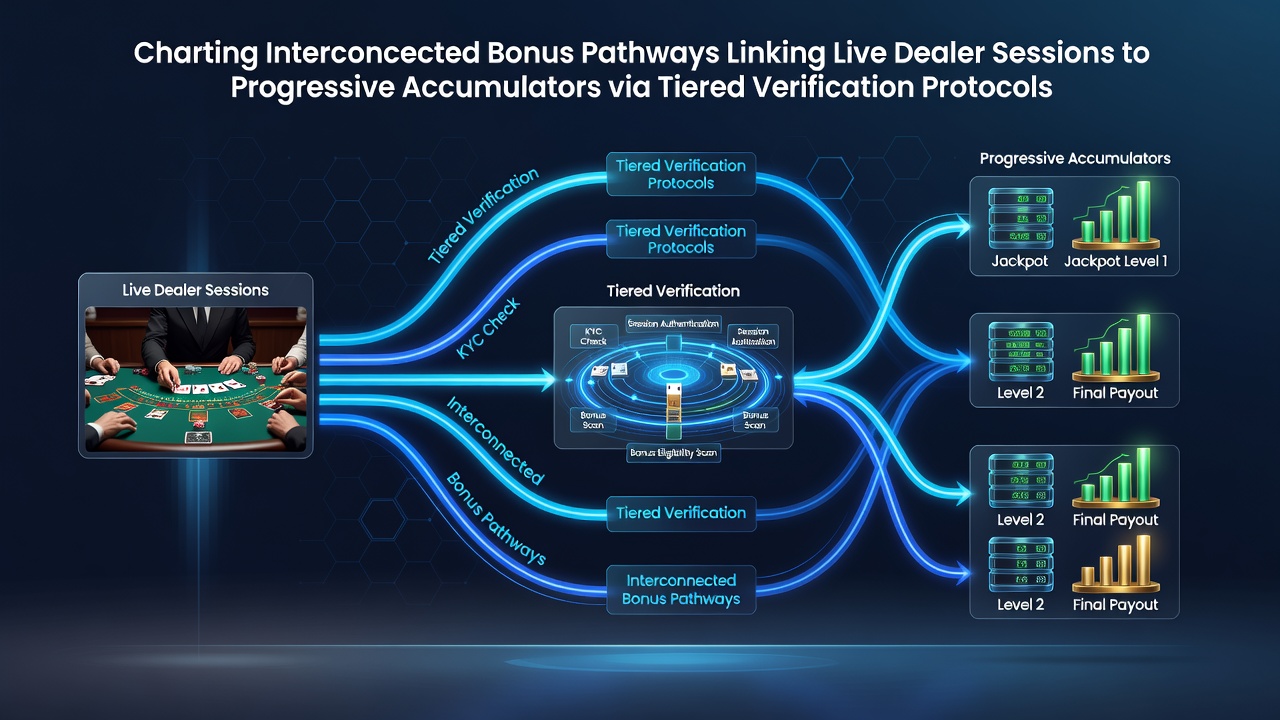
Operators have developed systems that connect live dealer sessions directly to progressive accumulators through structured bonus pathways, and these networks rely on tiered verification protocols to manage eligibility and payout distribution. Data from regulatory filings show that such integrations allow real-time contributions from table game wagers to feed into shared jackpot pools, while verification layers confirm player status before any funds transfer occurs.
Mapping the Core Components of Bonus Pathways
Live dealer sessions generate wagers that trigger bonus credits according to predefined multipliers, and these credits then route toward progressive accumulators once certain thresholds are met. Observers note that the pathways operate on a sequential model where each completed hand or round logs data points that feed the accumulator, creating a continuous flow rather than isolated events. Research conducted by the Nevada Gaming Control Board indicates that operators tracking these flows report contribution rates ranging from 1 to 5 percent of qualifying wagers entering the progressive pool.
Tiered verification protocols sit at each junction along the pathway, and they require players to complete identity checks, deposit confirmations, and activity milestones before advancing to the next level. Those who have studied these systems find that the tiers typically include basic account validation at entry, enhanced verification after a set number of sessions, and full compliance review prior to accumulator access. This structure reduces errors in fund allocation while maintaining compliance with jurisdictional rules.
Integration of Live Dealer Sessions into Accumulator Networks
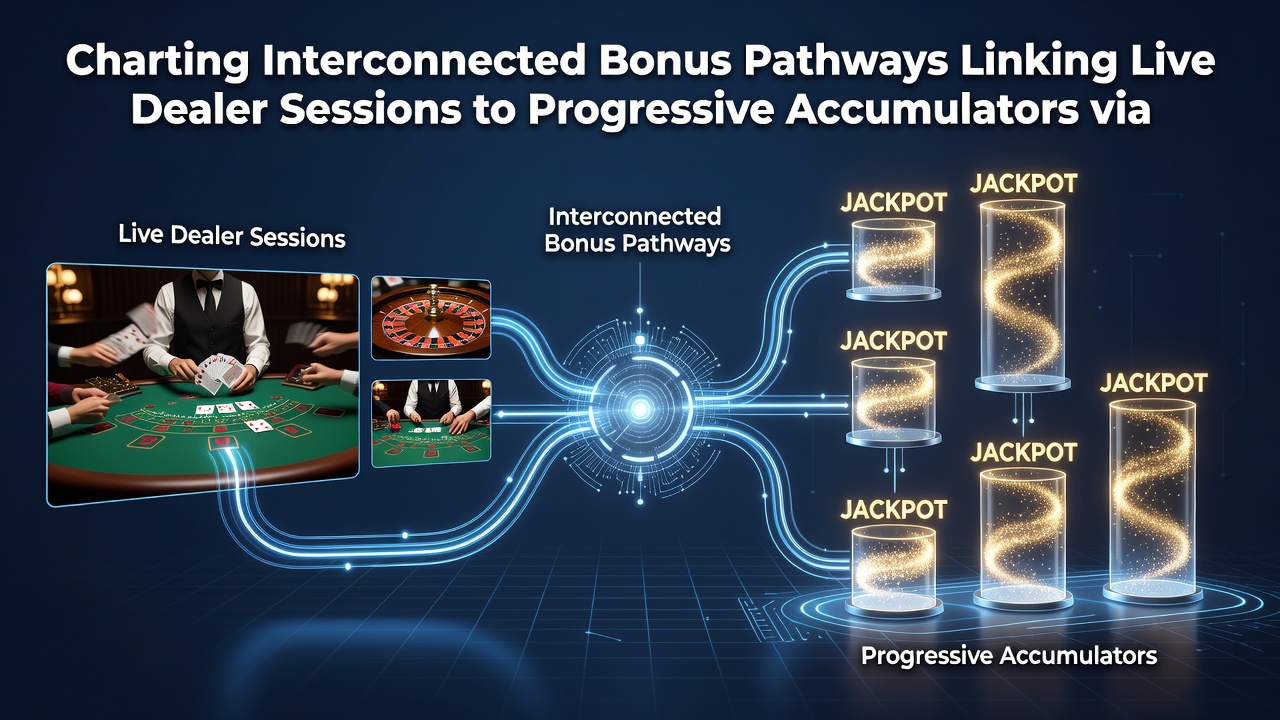
Live dealer platforms transmit session data to central servers that calculate contributions in real time, and the process allows blackjack, roulette, and baccarat wagers to influence progressive totals across multiple sites. Figures released in August 2026 by the Australian Gambling Research Centre revealed that integrated systems increased cross-game participation by 12 percent compared with standalone progressive titles. The connection happens through application programming interfaces that standardize data formats, enabling seamless movement of bonus value from one environment to another.
Verification protocols activate at the start of each live dealer session, and they cross-reference player history against the tier requirements before any bonus credit posts. Experts have observed that this step prevents unauthorized accumulation while allowing verified users to progress through levels without interruption. One implementation case documented by researchers at the University of Nevada, Las Vegas, showed that tiered checks completed within 45 seconds on average, preserving session flow while upholding security standards.
Role of Tiered Verification in Pathway Stability
Each tier imposes specific conditions such as minimum wager volume or account age, and these conditions determine whether a player can access higher-value accumulator segments. Industry reports from the Canadian Gaming Association document that operators using four-tier models experienced a 7 percent reduction in disputed bonus claims during the first half of 2026. The verification layers also log every transfer event, creating audit trails that regulators can review without disrupting ongoing play.
Pathways incorporate fallback mechanisms when verification fails at any tier, and these mechanisms redirect unclaimed credits back into the accumulator pool rather than holding them indefinitely. Data indicates that such redirection occurs in fewer than 3 percent of sessions, yet it maintains overall pool integrity. Those monitoring system performance note that the protocols adapt dynamically based on regional requirements, allowing the same underlying architecture to function across different licensing jurisdictions.
Operational Examples and Performance Metrics
One European operator implemented interconnected pathways in early 2026 that linked live dealer baccarat tables to a multi-site progressive accumulator, and the result showed daily contributions exceeding €150,000 within the first month. Verification tiers required players to complete two deposits and 50 hands before unlocking full accumulator eligibility, which aligned with local responsible gaming guidelines. Similar configurations appear in North American markets where state gaming commissions mandate detailed reporting on every bonus movement.
Performance metrics collected across multiple sites demonstrate that players advancing through all verification tiers generate 22 percent higher lifetime value than those remaining at entry level. The pathways also support promotional overlays, such as temporary multiplier events that boost contributions during peak hours without altering the core verification sequence. These events run on scheduled calendars and automatically revert once the promotion window closes.
Conclusion
Interconnected bonus pathways continue to evolve as operators refine connections between live dealer sessions and progressive accumulators through tiered verification protocols. Regulatory data and academic studies confirm that these systems manage contributions, eligibility, and payouts with measurable efficiency. Continued reporting from bodies such as the Nevada Gaming Control Board and the Australian Gambling Research Centre will track further adjustments as technology and compliance standards advance.