Blended Game Experiences Transform Engagement Habits Among Players in Britain's Regulated Markets
Amir Koch · Jun 9, 2026
Blended Game Experiences Transform Engagement Habits Among Players in Britain's Regulated Markets
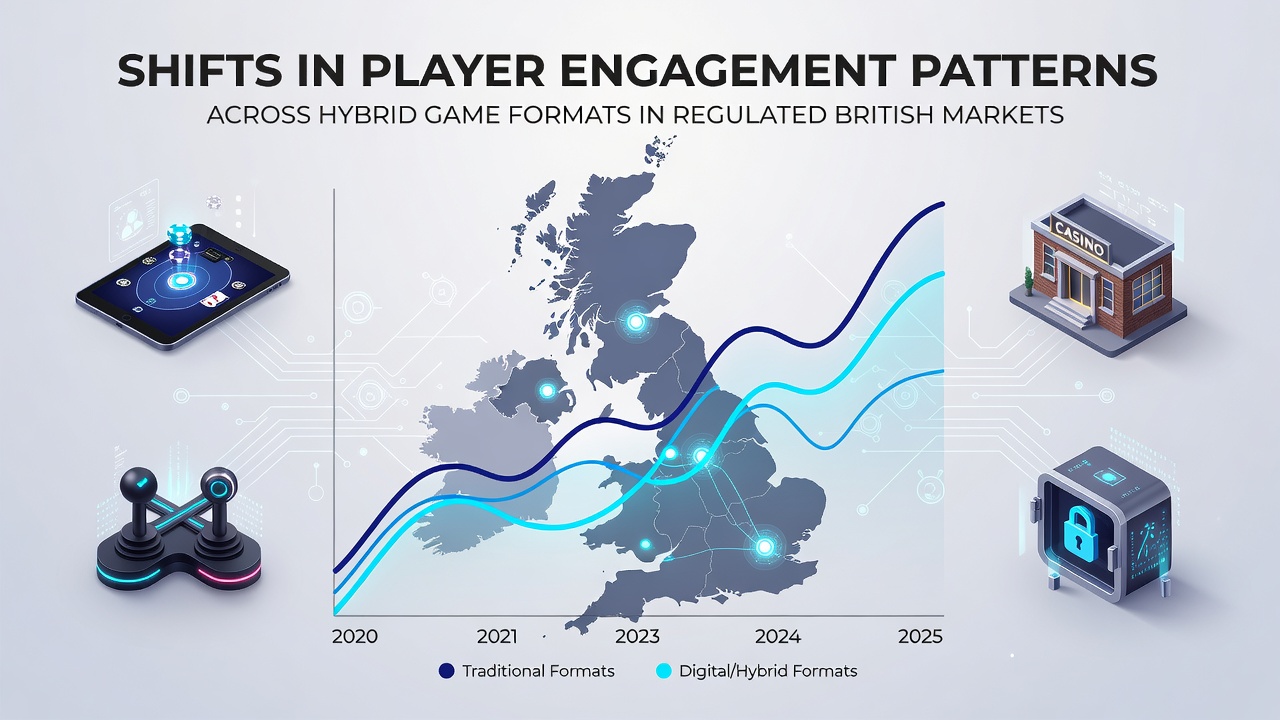
Hybrid game formats that combine elements of slots, bingo, and live dealer tables continue to alter how participants interact with gaming platforms across regulated British markets, and data from industry monitoring shows measurable changes in session structures since early 2025. Observers note that players frequently move between automated reel mechanics and interactive table segments within single sessions, which creates longer but more fragmented play periods compared with traditional single-format experiences.
Defining the Hybrid Landscape
Blended titles integrate random number generators with real-time human dealers or bingo-style number calls, and researchers at institutions such as the University of Sydney have documented how these combinations affect decision-making speed and reward anticipation. Reports indicate that participants often switch between low-stakes automated rounds and higher-engagement live segments, producing engagement curves that differ from those observed in standalone products. Those who track user behaviour across multiple operators report that hybrid formats account for an increasing share of total active minutes logged on British-licensed sites through the first half of 2026.
Session Patterns and Retention Metrics
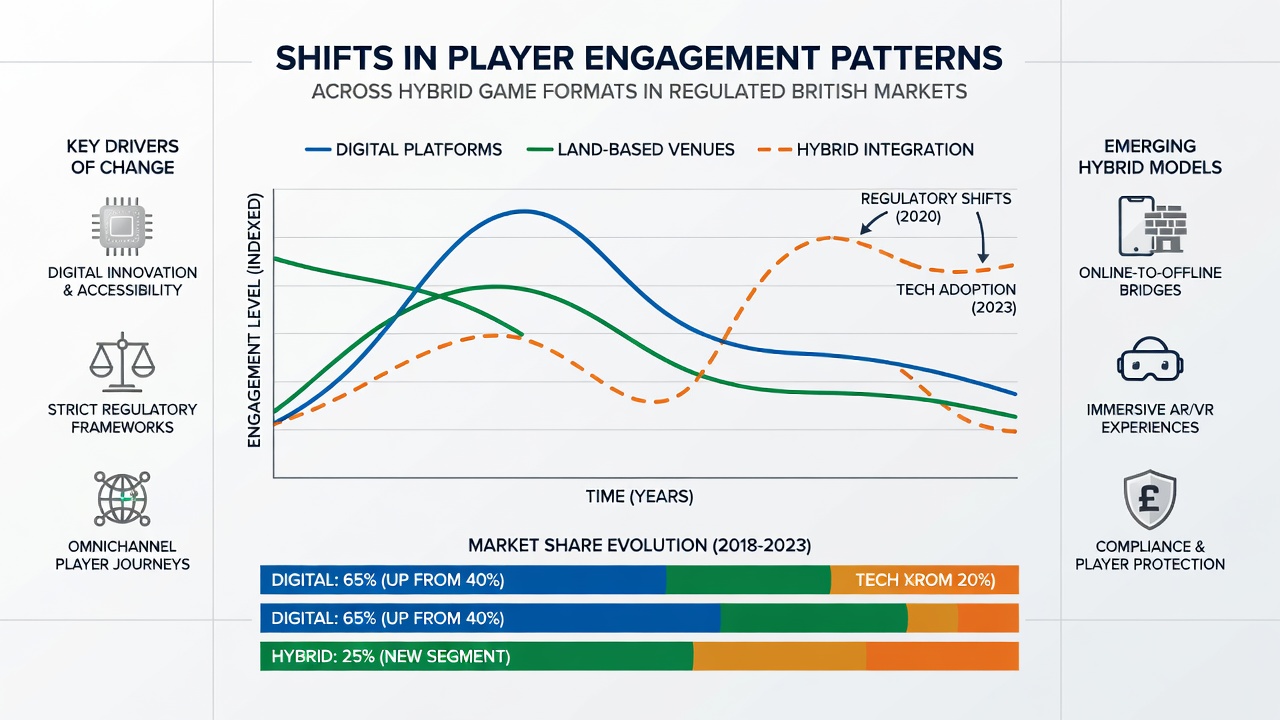
Figures released by several monitoring services reveal that average session length on hybrid titles rose by roughly 14 percent between June 2025 and June 2026, while the number of distinct game switches within each session increased at a similar rate. Data shows that players return to hybrid lobbies more often than to pure slots or table-only areas, yet individual visits tend to include shorter bursts of activity separated by brief pauses. This pattern appears across both desktop and mobile channels, although mobile sessions display higher rates of mid-play format changes. Industry associations such as the European Gaming and Betting Association have compiled comparable statistics from other European jurisdictions, confirming that the British trend aligns with broader continental observations.
Demographic Differences in Hybrid Uptake
Analysis of anonymised transaction records indicates that users aged 25 to 34 spend a larger proportion of their total playtime on blended formats than older cohorts, whereas participants over 45 maintain steadier engagement with single-mechanic games. Gender splits show modest variation, with female players recording slightly higher completion rates for bingo-integrated hybrids and male players favouring live-dealer crossover titles. These distinctions emerge consistently in datasets compiled through the spring of 2026, and they influence how operators schedule promotional features and loyalty rewards.
Technological and Platform Influences
Improved mobile network performance and instant deposit systems have supported the shift toward hybrid engagement, and operators report that seamless wallet transfers between formats reduce friction that previously prompted session endings. Research from Canadian academic groups studying digital gambling interfaces suggests that reduced loading times correlate with higher multi-format exploration, a finding that matches patterns observed on British platforms. Payment method preferences also play a role, with faster options linked to more frequent switches between automated and live segments during evening peak hours.
Cross-Market Comparisons and Data Context
While British markets operate under specific licensing conditions, similar engagement adjustments appear in regulated environments elsewhere. A 2025 study commissioned by Gambling Research Australia documented parallel increases in hybrid session complexity among participants in that jurisdiction, and the Responsible Gambling Council in Canada has published preliminary findings showing comparable retention lifts for blended products. These external references provide context for the British data without implying direct equivalence, and they highlight how platform design choices affect participation rhythms across different regulatory frameworks.
Conclusion
Available evidence points to sustained evolution in how players allocate time and attention across hybrid formats within Britain's regulated sector through mid-2026. Session structures have lengthened in total duration yet incorporate more internal transitions, demographic groups display distinct preferences, and technological enablers continue to shape these behaviours. Continued collection of anonymised usage statistics will clarify whether these patterns stabilise or accelerate in subsequent reporting periods.